The Role of Waxing in Auto Detailing
Introduction
One of the most important steps in auto detailing is waxing. Not only does it enhance your vehicle’s shine, but it also provides a protective layer that helps preserve your car’s paint and keeps it looking new. While waxing may seem like a simple step, it plays a critical role in both the aesthetic appeal and long-term care of your vehicle. In this article, we’ll explore the importance of waxing in auto detailing, its benefits, different types of wax, and how it contributes to the overall protection and appearance of your car.
What Is Waxing in Auto Detailing?
Waxing is the process of applying a layer of wax or sealant to the exterior of the vehicle, primarily the paint, to protect it from environmental elements and enhance its appearance. The wax is applied over the cleaned and polished paint surface and is then buffed to a smooth, glossy finish. Wax creates a protective barrier between the paint and contaminants like dirt, water, bird droppings, and UV rays, ensuring that the paint remains vibrant and intact.
The Importance of Waxing in Auto Detailing
1. Protects the Car’s Paint
One of the primary functions of waxing is to protect your car’s paint. The paint is exposed to a variety of environmental factors, such as UV rays, dirt, road salt, bird droppings, and tree sap, that can damage the surface over time. Wax acts as a barrier that shields the paint from these contaminants, preventing them from damaging or dulling the paint.
UV Protection
Eco-friendly auto detailers use cleaning products that are biodegradable and free from harmful chemicals like phosphates, ammonia, and petroleum-based solvents. These products are safer for the environment and human health.
Water Repellency
Traditional car washes can use gallons of water to rinse and clean a vehicle. Waterless detailing involves using special sprays and microfiber towels to clean the car without using water, while low-water methods minimize water usage during the washing process.
Dirt and Contaminant Protection
Some eco-friendly detailing services use energy-efficient equipment and machines that reduce water and energy consumption, further minimizing the environmental impact.
2. Enhances the Car’s Appearance
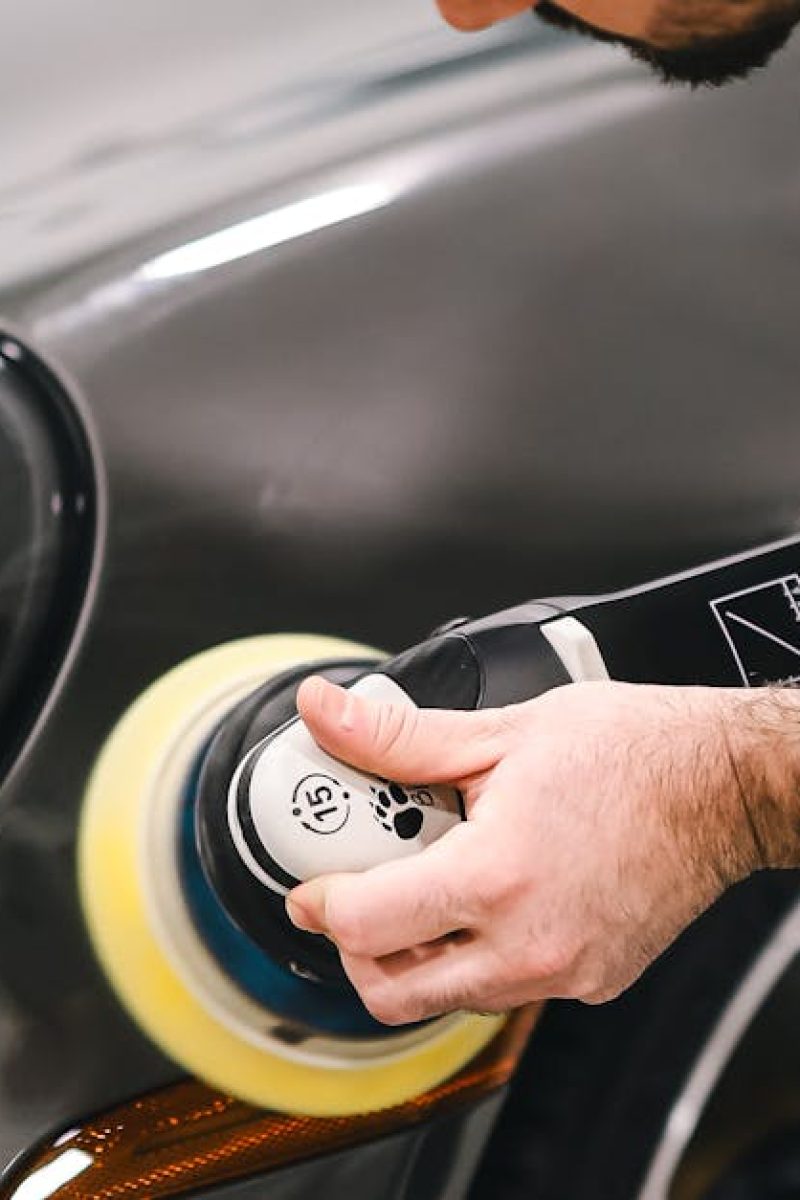
Waxing is one of the quickest and most effective ways to enhance your car’s appearance. When applied correctly, wax creates a smooth, glossy finish that reflects light, making the car look shinier and more polished. Waxing helps restore the deep, vibrant shine that can be lost over time due to environmental exposure.
Gloss and Shine: Waxing brings out the natural depth of the paint, creating a mirror-like shine that enhances the car’s appearance. It helps fill in minor imperfections and smooths out the surface, creating a more reflective finish.
Sleek Look: The glossy, smooth surface created by waxing gives your car a sleek, well-maintained look, which is especially noticeable in the sun. This can make the car appear newer and more polished.
3. Prevents Oxidation and Fading
Over time, exposure to UV rays, pollution, and other contaminants can cause the paint to oxidize and fade. Oxidation occurs when the paint reacts with the air and begins to break down, leading to a dull, chalky appearance. Wax acts as a protective layer that prevents the paint from coming into direct contact with these elements, reducing the risk of oxidation and fading.
Oxidation Prevention: Wax protects the paint by providing a barrier between the air and the car’s surface, reducing the chances of oxidation.
Color Retention: Waxing helps maintain the paint’s original color and vibrancy, preventing it from fading over time due to sun exposure and environmental conditions.
4. Improves Durability and Longevity
Waxing not only provides an immediate shine but also extends the longevity of your vehicle’s paint. The protective layer of wax prevents contaminants from sticking to the surface and causing long-term damage. By maintaining the wax layer regularly, you ensure that the paint remains intact and well-preserved for a longer period of time.
Longevity of Protection: The protective barrier created by the wax can last for weeks or months, depending on the type of wax used and the environmental conditions. This prolongs the time between washes and helps reduce the frequency of necessary touch-ups or repairs.
Less Frequent Washing: Because wax prevents contaminants from bonding to the paint, it makes cleaning your car easier. You’ll need fewer washes, and when you do wash it, the process will be quicker and more efficient.
5. Adds Resale Value
Maintaining your car’s paint with regular waxing can help preserve its resale value. A car with a well-maintained, glossy finish is far more appealing to potential buyers than one with faded or damaged paint. By regularly waxing your car, you demonstrate that you’ve taken care of its exterior, which can be a selling point when it’s time to trade it in or sell it privately.
Improves First Impressions: A shiny, well-maintained car exterior is more likely to make a positive impression on buyers, encouraging them to pay a higher price.
Preserved Paint: Cars with well-maintained paint are perceived as being in better overall condition, which can increase their value when reselling or trading in.
Types of Car Wax
There are different types of wax available, each with its own set of benefits. The most common types of wax are:
1. Carnauba Wax
Carnauba wax is a natural wax derived from the leaves of the Brazilian carnauba palm tree. It is one of the most popular and traditional types of wax used in auto detailing.
Pros:
Offers a deep, rich gloss
Natural, environmentally friendly
Provides short-term protection (lasting up to 6 weeks)
Cons:
Needs to be applied more frequently
May not last as long as synthetic options
2. Synthetic Wax (Sealants)
Synthetic wax, also known as paint sealants, is a man-made product designed to mimic the protective qualities of natural wax. It typically lasts longer than carnauba wax, providing more durable protection.
Pros:
Long-lasting protection (up to 6 months)
Provides a slick, reflective finish
Easier to apply and maintain
Cons:
May not offer the same depth of shine as carnauba wax
3. Hybrid Wax
Hybrid wax is a combination of natural carnauba wax and synthetic sealants, offering the benefits of both products. It provides long-lasting protection while delivering a deep, glossy shine.
Pros:
Long-lasting protection
Combines the shine of carnauba with the durability of synthetic wax
Great for both appearance and protection
Cons:
Typically more expensive than pure carnauba wax
How to Apply Wax to Your Car
Proper application of wax is essential for achieving the best results. Here’s a step-by-step guide on how to wax your car effectively:
Wash and Dry Your Car: Begin by thoroughly washing and drying your car. Remove all dirt, grime, and contaminants from the surface to ensure that the wax adheres properly.
Apply the Wax: Using a microfiber applicator pad or a foam pad, apply a thin, even layer of wax to the car’s surface. Work in small sections and apply the wax in circular motions to ensure even coverage.
Let the Wax Cure: Allow the wax to sit on the surface for the recommended amount of time (usually 5 to 10 minutes). This allows the wax to bond with the paint.
Buff Off the Wax: Using a clean microfiber towel, gently buff the wax off the surface in circular motions, revealing a glossy, smooth finish.
Frequently Asked Questions (FAQ)
How often should I wax my car?
It’s recommended to wax your car every 3 to 6 months, depending on the type of wax used and environmental conditions.Can waxing remove scratches from my car’s paint?
Waxing can help mask light scratches and swirl marks, but it does not remove them. For deeper scratches, paint correction is needed.Does waxing protect against UV rays?
Yes, waxing provides a protective layer that helps shield the car’s paint from harmful UV rays, preventing fading and oxidation.Is carnauba wax better than synthetic wax?
Carnauba wax offers a deeper, richer shine, while synthetic wax provides longer-lasting protection. Both have their advantages, depending on your needs.Can I wax my car in direct sunlight?
It’s best to wax your car in the shade to prevent the wax from drying too quickly and leaving streaks.How long does wax last on my car?
Depending on the type of wax, protection can last from 4 to 12 weeks. Synthetic wax typically lasts longer than carnauba wax.Can I apply wax over a paint sealant?
Yes, you can apply wax over a paint sealant, but it’s often unnecessary as the sealant already provides protective qualities.
Conclusion
Waxing is an essential step in auto detailing that not only enhances your car’s appearance but also protects its paint and extends its lifespan. By providing a layer of protection against environmental elements, improving the car’s shine, and reducing the need for frequent washes, waxing is a simple yet powerful way to maintain your vehicle’s appearance and value.
Whether you choose natural carnauba wax, synthetic wax, or a hybrid product, regular waxing ensures that your car remains looking great for years to come.