
How to Use a Dual-Action Polisher Safely
Introduction
A dual-action polisher is one of the most effective tools in the world of auto detailing. It’s capable of polishing, correcting, and finishing a vehicle’s paint with precision and efficiency. However, while it’s a powerful tool, it requires careful handling to avoid causing damage to the car’s paint. Using a dual-action polisher safely ensures that you achieve the desired results—whether it’s restoring gloss, removing swirl marks, or correcting imperfections—without causing any harm to the surface. In this article, we’ll guide you through the process of using a dual-action polisher safely, including tips, best practices, and common mistakes to avoid.
What Is a Dual-Action Polisher?
A dual-action polisher is an electric tool used for polishing a vehicle’s paint. Unlike rotary polishers, which spin in a single direction, a dual-action polisher combines two motions:
Oscillating Motion: The pad moves in a circular motion, similar to how your hand would move when rubbing a surface.
Rotating Motion: The pad also rotates on its axis, creating an elliptical pattern.
This combination of oscillation and rotation allows for a more controlled and less aggressive polishing action, which makes the dual-action polisher ideal for beginners and professionals alike. The oscillating motion helps prevent overheating of the paint, reducing the risk of causing swirl marks or burning through the clear coat.
Why Use a Dual-Action Polisher?
The dual-action polisher is widely used because it provides several advantages:
Safe and Effective Paint Correction: The combination of oscillation and rotation makes it easier to correct imperfections such as swirl marks, light scratches, and oxidation without causing significant damage to the paint.
Better Control: The tool’s motion provides greater control, making it safer for new users and allowing them to achieve professional-quality results.
Versatility: The polisher can be used with various pads and compounds, making it suitable for a wide range of tasks, including polishing, waxing, and applying sealants.
However, despite these advantages, it’s important to use the tool correctly to avoid damaging the vehicle’s paint.
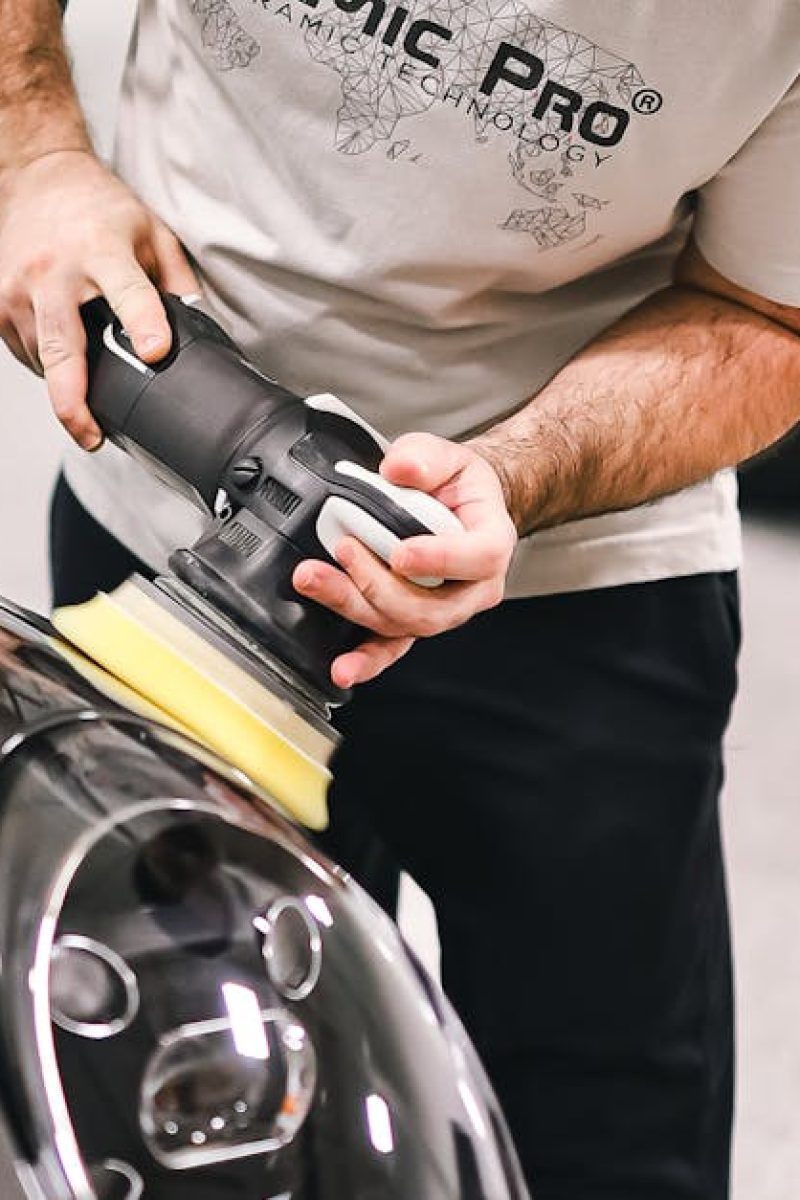
Essential Tools and Products Needed for Polishing
Before using the dual-action polisher, ensure that you have the following tools and products ready:
Dual-Action Polisher
Choose a high-quality model, such as the Meguiar’s MT300 Dual-Action Polisher or the Rupes LHR 15ES.
Polishing Pads
Various pads are available, including cutting, polishing, and finishing pads. Select the appropriate pad for your task.
Polish or Compound
Choose the appropriate polish or compound based on the severity of the imperfections you’re correcting.
Microfiber Towels
These are essential for wiping off excess product during and after polishing.
Detailing Tape
Use painter’s tape to protect trim and rubber seals from getting polish residue on them.
Masking Paper or Plastic
For covering sensitive areas of the vehicle that you don’t want to polish, like plastic trim, lights, or decals.
Quick Detailer or Spray Wax
For easy wipe-off and to keep the vehicle clean between passes.
Step-by-Step Guide on How to Use a Dual-Action Polisher Safely
Step 1: Preparation and Setup
Wash the Vehicle: Thoroughly wash the car to remove any dirt, grime, or debris that could scratch the paint during the polishing process. Use a gentle car shampoo and a microfiber wash mitt to avoid swirl marks.
Dry the Car: After washing, dry the car using a microfiber drying towel or a blower. Water spots can interfere with the polishing process, so make sure the car is dry before starting.
Inspect the Paint: Inspect the paint for imperfections like swirl marks, scratches, or oxidation. This will help you determine the necessary level of correction and the type of polish and pad required.
Tape Off Sensitive Areas: Use painter’s tape to protect areas that you don’t want to polish, such as rubber seals, plastic trim, and the edges of windows. This will prevent polish residue from building up on these surfaces.
Set Up Your Workspace: Ensure you’re working in a well-lit, clean area. Make sure there is enough room to move around the vehicle comfortably.
Step 2: Attach the Pad and Apply Product
Select the Correct Pad: Choose the right pad for the task. For light polishing, use a softer polishing pad. For heavier correction, use a more aggressive cutting pad.
Apply the Compound/Polish: Dab a few small drops of compound or polish directly onto the pad. Avoid applying too much product, as it can cause splatter. You can always add more if necessary.
Attach the Pad to the Polisher: Firmly attach the pad to the dual-action polisher. Ensure it’s secure before starting.
Step 3: Polishing Process
Start at Low Speed: Turn on the polisher at a low speed setting (around 1-2). This will help spread the product evenly across the surface without splattering.
Work in Small Sections: Work on small 2×2-foot sections of the vehicle at a time. This allows for better control and ensures that the entire area is polished evenly.
Increase the Speed: Once the product is spread evenly, increase the speed to around 4-6, depending on the level of correction needed. Move the polisher in overlapping passes, both vertically and horizontally, to ensure full coverage.
Keep the Polisher Flat: Maintain the polisher flat against the surface, keeping it level to avoid uneven polishing. Pressing too hard can cause the polisher to become less effective and may leave uneven results.
Keep the Polisher Moving: Move the polisher slowly across the surface in a controlled manner. Avoid staying in one spot for too long to prevent burning the paint.
Don’t Apply Too Much Pressure: A common mistake is applying too much pressure, which can lead to uneven results or damage. Let the polisher do the work, and only apply light to moderate pressure.
Step 4: Wipe Off Excess Product
Buff Off Product: Once you’ve finished polishing a section, turn off the polisher and use a clean microfiber towel to buff off any excess compound or polish. Inspect the area for any remaining haze or residue.
Inspect Your Work: After wiping off the product, inspect the polished section in direct light. If any imperfections remain, repeat the process with a more aggressive pad or compound.
Step 5: Finish with a Fine Polish
After completing the cutting and polishing steps, you should use a finishing polish and a softer pad to refine the surface and enhance the gloss.
Switch to a Soft Pad: Replace the aggressive pad with a finishing pad to apply a finer polish or finishing product.
Polish for Gloss: Use the same technique to polish the surface, but this time, focus on refining the surface and bringing out the gloss and depth of the paint.
Step 6: Final Inspection and Protection
Inspect for Swirls or Haze: After polishing, check the surface for any remaining swirl marks or haze. If necessary, repeat the polishing process using a finer polish.
Apply a Protective Layer: Once the paint has been corrected and is free of imperfections, apply a layer of wax, sealant, or ceramic coating to protect the paint and maintain the results.
Tips for Safe Use of a Dual-Action Polisher
Use the Right Speed: Start at low speed and increase only as necessary. Higher speeds aren’t always better and can cause damage if not controlled properly.
Avoid Overheating: Keep the polisher moving to avoid overheating the paint. Heat can cause burn marks, swirl marks, or even damage the clear coat if left in one area for too long.
Use Proper Pad Maintenance: Clean your polishing pads regularly to avoid contamination or build-up of old polish that could create uneven results. Replace worn-out pads as needed.
Wear Safety Gear: Always wear protective gear, including gloves and safety glasses, when using a dual-action polisher. The polisher may kick up dust or debris, which can be harmful to your eyes.
Don’t Over-Polish: Polishing is an abrasive process that removes a small amount of the clear coat. Over-polishing can thin the clear coat, which could affect the longevity and protection of the paint.
Avoid Polishing in Direct Sunlight: It’s best to polish the car in a shaded area to avoid heat buildup and to allow the products to work optimally.
Frequently Asked Questions (FAQ)
Can I use a dual-action polisher on all types of paint?
Yes, a dual-action polisher is safe to use on most modern automotive paints, including single-stage, clear-coated, and metallic finishes. However, always check the manufacturer’s guidelines for specific recommendations.Do I need to apply pressure when using a dual-action polisher?
You only need to apply light to moderate pressure. The polisher is designed to do the work, and excessive pressure can cause uneven results or damage the paint.How long does it take to polish a car with a dual-action polisher?
The time required depends on the condition of the paint and the size of the vehicle. A typical polishing session for an average car may take between 6 and 8 hours for a complete paint correction.Can a dual-action polisher remove deep scratches?
While a dual-action polisher can remove light scratches and swirl marks, deeper scratches that have penetrated the clear coat may require professional help or a more aggressive approach.How do I maintain my dual-action polisher?
Regularly clean the polisher and its pads after each use to remove any compound residue. Check for wear on the pads and replace them as needed. Store the tool in a clean, dry place to avoid any damage.
Conclusion
Using a dual-action polisher safely is essential for achieving a professional-quality finish while preserving the integrity of your vehicle’s paint. By following the correct procedure, choosing the right products, and maintaining control of the tool, you can safely remove imperfections, restore the gloss, and give your car’s paint a flawless appearance. Remember, practice makes perfect, and with the right techniques, even beginners can achieve exceptional results. Always take your time, use the right tools, and follow the recommended steps for the safest and most effective paint correction.