How to Start an Auto Detailing Business in 2025: A Step-by-Step Guide for New Entrepreneurs
Introduction
Auto detailing is more than just washing cars—it’s a high-demand, skill-driven business opportunity with low startup costs, scalable potential, and strong margins. Whether you’re a car enthusiast looking to turn your passion into income or an aspiring entrepreneur searching for a service-based business with low overhead, auto detailing in 2025 is a smart move.
In this in-depth guide, we’ll walk you through every step of launching your own detailing operation—from licenses and tools to marketing strategies and pricing models. We’ll focus on practical decisions, real-world expectations, and proven tips to help you stand out and grow quickly.
At a Glance
- Understand what the auto detailing industry looks like in 2025
- Choose between mobile and fixed-location setups
- Get clear on licenses, insurance, and legal setup
- See exactly what tools and products you’ll need to start
- Learn how to price services, market yourself, and grow
- Includes sample service menus, equipment lists, and FAQs
Why 2025 Is the Right Time to Start an Auto Detailing Business
Consumer demand for car care is climbing. Drivers are keeping vehicles longer, more people lease cars, and everyone wants to protect their investment. On top of that, auto detailing is one of the few businesses you can start:
With less than $5,000
From your own driveway or a mobile van
Without a college degree or expensive franchise fees
Trends driving the boom in 2025:
| Trend | How It Helps Your Business |
|---|---|
| Car owners keeping vehicles longer | More need for regular paint and interior maintenance |
| Rise in EVs and luxury models | Higher detailing budgets, especially ceramic coatings |
| Increased awareness of car hygiene | More demand for interior disinfection and odor removal |
| On-demand services | Mobile detailers thrive in residential and corporate areas |
| Social media referrals | Easier to build local buzz and showcase your work |
Additionally, more consumers are seeking eco-friendly options, creating a new niche for detailers offering waterless washes, biodegradable products, and eco-safe disposal methods. If you’re environmentally conscious, this could be your angle to differentiate.
Step 1: Understand What Auto Detailing Really Is
Auto detailing isn’t the same as a car wash. It’s about deep cleaning, protecting, and restoring vehicles—inside and out. Services range from simple wash-and-wax jobs to paint correction, ceramic coating, and engine bay cleaning.
| Type of Service | Description |
| Exterior Detailing | Hand wash, wax/sealant, clay bar, tire cleaning, polishing |
| Interior Detailing | Vacuuming, steam cleaning, shampoo, leather care, odor removal |
| Engine Bay Cleaning | Degreasing and dressing under the hood |
| Paint Correction | Removing swirls and scratches through polishing |
| Ceramic Coating | Long-term paint protection using SiO2-based technology |
Each service requires different tools, techniques, and levels of experience. For instance, polishing a car incorrectly can do more harm than good. Make sure to master the basics before moving into advanced treatments.
You also need to understand customer expectations. A full detail might take 4–6 hours, and results should always be clearly communicated—especially if scratches or permanent stains cannot be removed.
Step 2: Choose Between Mobile or Shop-Based
Mobile Detailing (Most Popular for Beginners)
Low startup costs
No rent or lease needed
Offers flexibility—home or office appointments
Easy to scale or transition to a shop later
Ideal for: Individuals starting part-time, servicing residential areas, or catering to office park clients.
Challenges: Weather can affect your schedule. You’ll need a water tank and generator if clients can’t provide them.
Fixed-Location Shop (Higher Overhead, More Control)
Better for luxury, high-volume, or fleet clients
Weather isn’t a limiting factor
More room for tools, water recycling systems, and waiting areas
Ideal for long-term growth or multiple staff
Ideal for: Full-time operators looking to serve higher-end vehicles, offer ceramic coatings, or build recurring business with commercial clients.
| Feature | Mobile | Shop |
| Startup cost | $2,000–$10,000 | $15,000+ |
| Flexibility | High | Moderate |
| Overhead | Low | High |
| Scalability | Medium | High |
| Setup time | 2–4 weeks | 2–3 months |
Many successful detailers start mobile, validate their market, then invest profits into a small studio.
Step 3: Set Up Your Legal and Business Foundation
Before you clean your first car for money, make sure you’re legit.
✅ Register Your Business
Choose a business name that’s easy to remember and has available domains and social handles.
File your LLC or DBA in your state.
Apply for an EIN from the IRS (free).
Open a business bank account and separate all expenses from your personal ones.
✅ Get the Right Licenses and Permits
Check local regulations:
A standard business license is required in most areas.
Mobile detailers may need permits to work on public streets or lots.
Environmental laws may require a plan for water reclamation.
✅ Buy Insurance
General liability: Covers damage to vehicles or property
Garage keepers insurance: If you keep vehicles overnight
Commercial vehicle insurance: For your branded work van
Tool and equipment insurance: Covers your gear if lost, stolen, or damaged
Step 4: Invest in Tools and Products (Starter Checklist)
You don’t need everything at once. Focus on quality over quantity.
Core Tools by Category
| Category | Examples |
| Exterior Tools | Foam cannon, buckets with grit guards, high-pressure hose, drying towels |
| Interior Tools | Shop vac, brushes, microfiber towels, extractor or steam cleaner |
| Paint Correction | Dual-action polisher, polishing pads, compound/polish combo |
| Protection | Spray wax, sealants, ceramic coatings (starter kits) |
Budget roughly:
$500–$1,000 for starter kit
$1,000–$3,000 for full mobile setup
$5,000–$15,000+ for a shop-based setup
Focus on name brands like Chemical Guys, Meguiar’s, Griot’s Garage, and Rupes to build trust and ensure quality.
Step 5: Decide on Your Services and Pricing
Creating a clear service menu is essential. Don’t overwhelm clients with too many options. Instead, group your services into easy-to-understand packages.
Sample Packages
| Package | What’s Included | Suggested Price |
| Express Detail | Hand wash, wipe interior, dress tires | $75–$100 |
| Interior-Only | Vacuum, shampoo, steam clean, odor treatment | $125–$175 |
| Full Detail | Interior + exterior + wax + engine bay | $200–$300 |
| Premium Detail | Full + clay bar + polish + ceramic spray | $300–$500 |
Add-Ons:
Pet hair removal: $25–$50
Headlight restoration: $40–$80
Engine bay cleaning: $50
Ozone odor treatment: $75
Pricing varies by region and experience. Research competitors, but don’t undercut just to win business. Value matters more.
Step 6: Build Your Brand and Online Presence
People judge you before they meet you. Your branding should reflect professionalism.
Build Your Visual Identity
Logo (simple, readable)
Colors and fonts (consistent across social and website)
Branded shirts, hats, or van wraps if possible
Set Up a Basic Website
Include pricing, services, reviews, FAQs, and photos
Add a contact form or booking integration
Use keywords like “mobile car detailing in [Your Town]”
Google Business Profile (Free SEO Goldmine)
Add accurate location, phone number, service area
Upload job photos regularly
Ask clients to leave 5-star reviews with keywords
Use Social Media to Build Trust
Add accurate location, phone number, service area
Upload job photos regularly
Ask clients to leave 5-star reviews with keywords
Step 7: Book Your First Clients
Start simple. Focus on:
Flyers and door hangers
Community bulletin boards
Local car clubs and enthusiast groups
Real estate agents (they drive a lot!)
Offer first-time deals or referral bonuses:
$25 off your first full detail
$10 off for every referral who books
Use every job as marketing. Take pictures, share online, and ask for reviews.
Step 8: Handle Scheduling, Payments, and Communication
Organize early—even if it’s just you.
Tools to Consider
| Task | Tool |
| Invoicing | QuickBooks, Square, Zoho Invoice |
| Scheduling | Booksy, Calendly, Square Appointments |
| CRM | Notion, Google Sheets, Jobber (advanced) |
| Payments | Square Reader, Zelle, Venmo Business |
Always send reminders the day before. Confirm location and water/electricity access if mobile.
Step 9: Deliver Stellar Results
Always:
Show up early
Be clean, polite, and presentable
Walk around the car with the client before and after
Set expectations (scratches that won’t come out, stains that may return)
Document your work:
Take pictures before and after
Post on your Google Business and Instagram
Ask for a Google review within 24 hours
Step 10: Scale Up the Smart Way
Once booked solid, consider:
Hiring part-time help
Offering subscription plans (monthly maintenance)
Targeting commercial clients (fleet, real estate, contractors)
Leasing a studio or shop space
Track your revenue, expenses, and customer retention. Aim for:
30%+ profit margin
75%+ customer satisfaction return rate
10+ Google reviews per month
Frequently Asked Questions (FAQ)
Is auto detailing hard to learn?
Basic skills can be learned in weeks. Mastering polishing, coatings, and stain removal may take months. Practice often and invest in online courses or certifications.
Do I need a license to wash cars?
In most places, yes. You’ll need a general business license and may need water discharge permits depending on your location.
What’s the difference between a detail and a wash?
A wash is surface-level. Detailing is deep cleaning and protection—interior and exterior—designed to restore and preserve the vehicle.
Can I make this a full-time career?
Absolutely. Many detailers go full-time within 6–12 months and some build multi-employee operations earning six figures annually.
What’s the most profitable detailing service?
Paint correction and ceramic coatings offer the highest profit margins, but they require skill and trust.
Final Thoughts: Your Roadmap to Success in 2025
Starting an auto detailing business in 2025 gives you the opportunity to earn income doing hands-on work that customers truly value. With demand increasing and startup costs low, this path is perfect for anyone ready to hustle, learn, and deliver quality service.
Take it step by step: start small, stay consistent, and always prioritize quality over speed. Invest in your tools, your brand, and your customer relationships.
You don’t need to be perfect—just be reliable, honest, and motivated.
If you put in the effort, you can build a long-term, recession-resistant business that gives you both freedom and income.
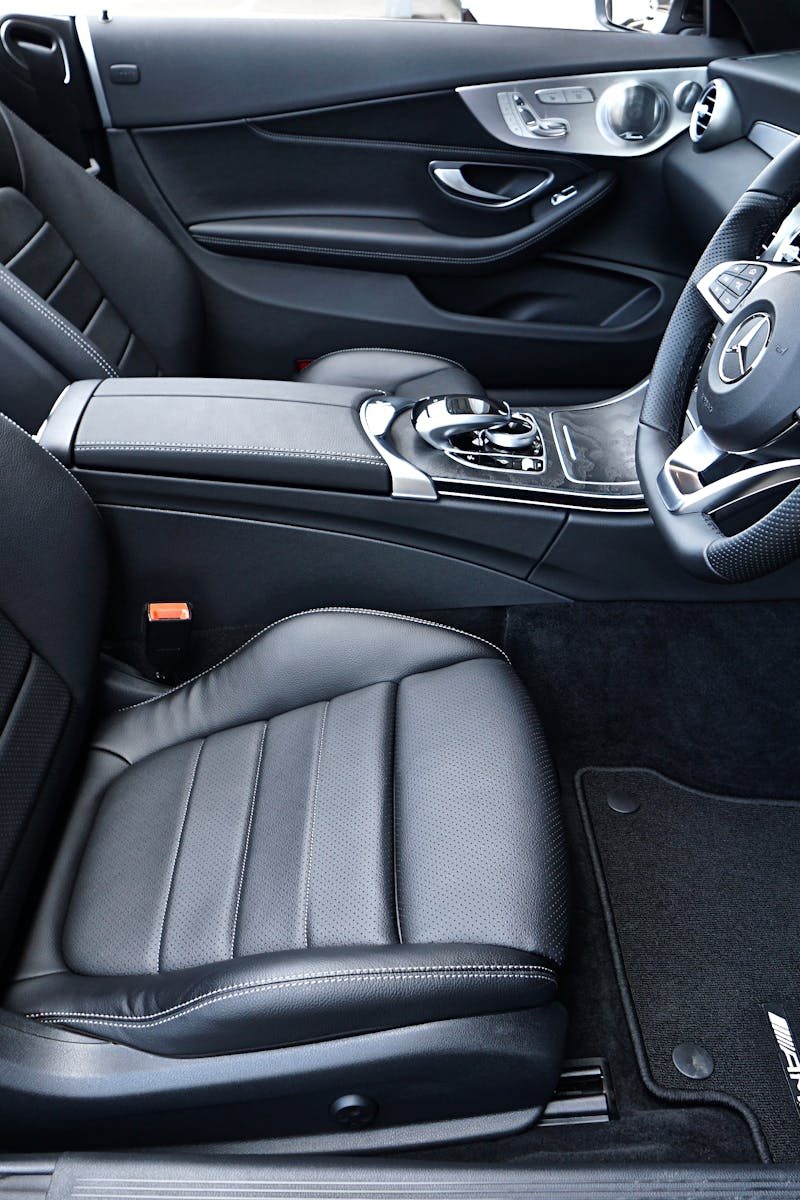
Remember, the key to long-lasting leather care is regular cleaning and conditioning. By maintaining your leather seats, you can enjoy their beauty and comfort for many years.