Essential Tools for Auto Detailers: Pressure Washers, Polishers, and Vacuums Explained
For detailers building a professional setup from scratch or upgrading their gear
Why Tools Matter in Auto Detailing
Your skills matter—but your tools bring those skills to life.
Whether you’re mobile or operating from a shop, having the right gear helps you:
Work faster without cutting corners
Deliver consistent, high-quality results
Handle different surfaces, finishes, and customer expectations
Avoid fatigue and burnout from using the wrong equipment
Let’s break down the three core tool categories every detailer needs: pressure washers, polishers, and vacuums.
Pressure Washers: The Foundation of Exterior Work
A pressure washer is the first tool you touch for any exterior job. It helps you:
Remove loose dirt, bugs, and road grime quickly
Pre-treat paint before hand washing or foam cannon use
Clean wheels, tires, engine bays, and undercarriages
At a Glance
- Learn how to choose the right pressure washer, polisher, and vacuum for detailing
- Compare specifications, features, and price ranges for each tool
- Understand the trade-offs between entry-level and professional-grade gear
- Get real-world recommendations for starting and scaling your detailing business
- Includes tables and examples for quick decision-making
Key Specs to Consider:
| Spec | What It Means | Ideal Range |
|---|---|---|
| PSI (Pounds per Square Inch) | Water pressure | 1,200–2,000 PSI for detailing |
| GPM (Gallons per Minute) | Water flow rate | 1.2–2.0 GPM for efficiency |
| Power Source | Electric or gas | Electric for mobile/shop use |
| Hose Length | Reach and flexibility | 25–50 feet recommended |
Entry-Level Recommendation:
Sun Joe SPX3000
2,030 PSI / 1.76 GPM
Lightweight, quiet, good for mobile setups
~$150
Pro-Level Option:
AR Blue Clean AR630-TSS
1,900 PSI / 2.1 GPM
Induction motor, built to last
~$600+
Foam Cannon Tip:
Use a foam cannon attachment for thick soap coverage. It helps reduce swirl marks during hand washing by lifting dirt before you touch the paint.
Polishers: The Key to Paint Enhancement
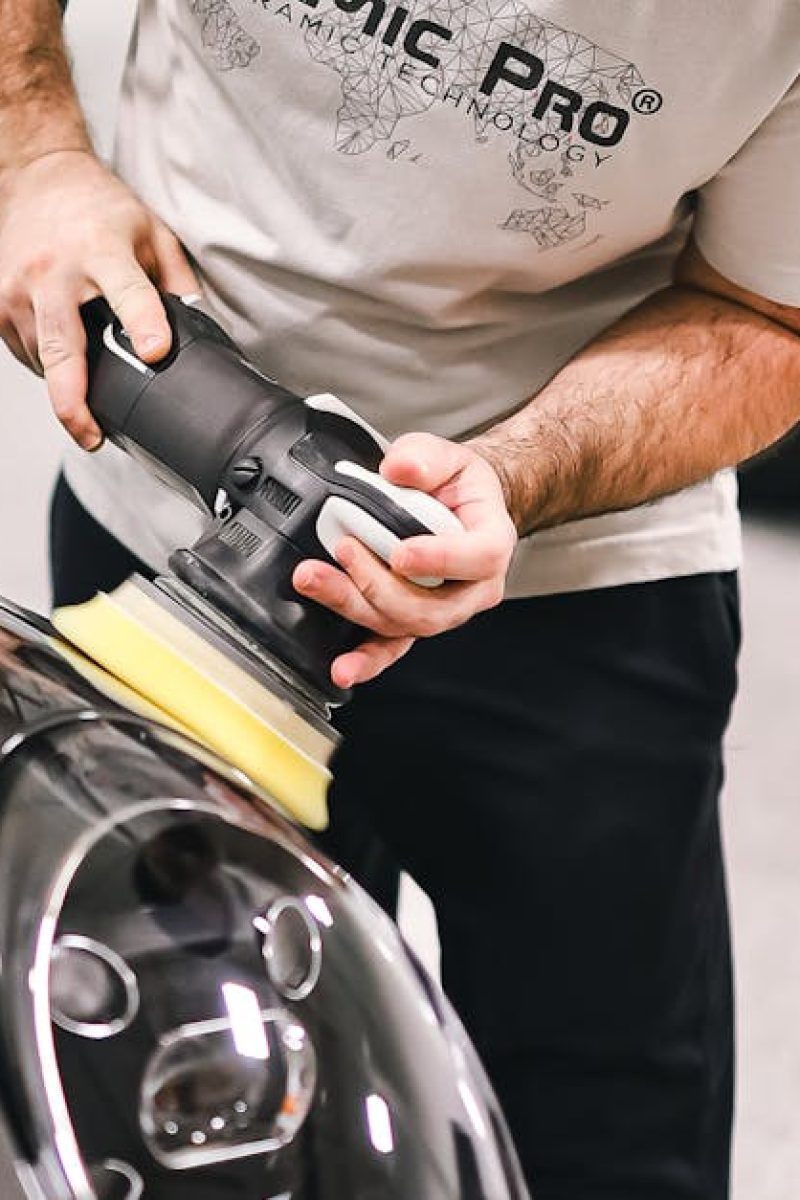
Polishers take your work from “clean” to showroom-level. They remove swirls, scratches, oxidation, and restore gloss.
Types of Polishers:
| Type | Motion | Use Case |
|---|---|---|
| Rotary | Spins in a single direction | Fast correction, high risk of damage if misused |
| Dual Action (DA) | Oscillates + spins | Safer, beginner-friendly, ideal for most jobs |
| Forced Rotation | Hybrid motion | Faster than DA, safer than rotary |
Entry-Level Recommendation:
Griot’s Garage G9 DA Polisher
9mm throw, variable speed
Lightweight and ergonomic
~$160
Pro-Level Option:
Rupes LHR15 Mark III
15mm throw, premium build
Smooth operation and less vibration
~$400+
Pads and Compounds:
Pair your polisher with foam, microfiber, or wool pads based on the job. Use a dedicated cutting compound for correction, followed by a finishing polish for clarity.
Pro Tip: Keep pad cleaning tools on hand (like a brush or compressed air) to maintain performance during long jobs.
Vacuums: The Workhorse of Interior Detailing
A good vacuum makes interior work cleaner, faster, and more enjoyable. Look for suction power, portability, and filter quality.
What to Look For:
| Feature | Why It Matters |
|---|---|
| Suction Power (HP or CFM) | Stronger suction removes more dirt and debris |
| Hose Length | Better reach without moving the unit constantly |
| Dry vs. Wet/Dry | Wet/dry lets you handle spills and shampoo jobs |
| Noise Level | Quieter units reduce fatigue in tight spaces |
| Attachments | Crevice tools, brushes, and soft tips make a big difference |
Entry-Level Recommendation:
Armor All 2.5 Gallon Wet/Dry Vacuum
Compact, lightweight, under $60
Great for mobile setups and small spaces
Pro-Level Option:
RIDGID 4.25 HP 12 Gallon Wet/Dry Vac
Large tank, strong suction, heavy-duty hose
Great for shops or larger vehicles
~$120–$150
Optional Upgrade: Add a carpet beater bar or pet hair removal tool if you regularly handle dirty interiors.
Tool Comparison Table
| Tool Type | Entry-Level | Pro-Level | Use Case |
|---|---|---|---|
| Pressure Washer | Sun Joe SPX3000 | AR Blue Clean AR630 | Washing, foam cannon, engine bays |
| Polisher | Griot’s G9 DA | Rupes LHR15 | Swirl removal, paint correction |
| Vacuum | Armor All 2.5 Gal | RIDGID 12 Gal | Interior cleaning, wet/dry use |
Matching Tools to Your Setup
Mobile Detailers:
Go compact and electric—battery or 110v units
Choose stackable or cart-based gear
Prioritize low water use and quiet operation
Shop-Based Detailers:
Invest in pro-grade, higher-output machines
Create dedicated stations (wash bay, polishing, interior)
Add wall-mounted vacuums and hose reels for efficiency
Real-World Example: Upgrading for Speed and Quality
Brian started with a small shop vac and a $90 orbital polisher. After 6 months, he was doing 3–4 cars per day but struggling with time and quality.
He upgraded to a dual-motor extractor and a Rupes DA polisher. His jobs now take 20% less time, and his paint correction results improved dramatically—leading to more high-ticket ceramic coating bookings.
Maintenance Tips for Long-Lasting Tools
Taking care of your tools keeps them running longer and avoids downtime.
Flush pressure washers with clean water after use
Clean pads and replace filters on polishers and vacuums
Empty tanks and check hoses for leaks or clogs
Store indoors to avoid damage from weather and rust
Use cord reels or Velcro straps to prevent wire damage in transport
Frequently Asked Questions
Q: Can I use a home pressure washer for detailing?
A: Yes, if it’s under 2,000 PSI and has a foam cannon attachment. Just be careful with delicate paint and trim.
Q: Is a DA polisher better for beginners?
A: Absolutely. Dual-action polishers are safer and easier to use than rotary machines.
Q: What size vacuum do I need for mobile detailing?
A: A compact wet/dry vac (2–4 gallons) works well for most mobile jobs. Look for good suction and attachments.
Q: Do I need a hot water extractor right away?
A: Not unless you’re doing deep interior work often. Start with a strong vacuum and shampooing tools before upgrading.
Q: How do I prevent swirl marks when washing?
A: Use a foam cannon to pre-soak, followed by a hand wash with a grit guard bucket and quality mitts. The right tools prevent damage before correction is needed.
Key Takeaways
Pressure washers, polishers, and vacuums form the backbone of any detailing operation
Choose tools that match your current service volume and growth goals
Entry-level tools are fine for starting, but pro gear can save time and increase revenue
Always maintain your equipment to avoid breakdowns during jobs
Don’t forget accessories—attachments, hose reels, and organizers improve your workflow