
Tips for Cleaning Your Car's Windows and Mirrors
Introduction
Keeping your car’s windows and mirrors clean is essential for both safety and aesthetic purposes. Dirty windows and mirrors can obscure your vision, creating dangerous driving conditions, especially in bright sunlight or wet weather. Additionally, streaks, smudges, and dust on your windows can make your car look neglected, detracting from its overall appearance. Fortunately, cleaning car windows and mirrors is a simple task that, when done correctly, ensures clear visibility and a spotless finish. In this article, we’ll share the best tips for cleaning your car’s windows and mirrors, as well as the best products to use for streak-free results.
Why Clean Windows and Mirrors Are Important
Improved Visibility: Clean windows and mirrors improve your visibility, ensuring that you can see clearly when driving. This is especially important in rainy conditions, at night, or when driving in heavy traffic.
Safety: Smudges, streaks, and dirt can distort your vision and create blind spots, which can be dangerous when changing lanes, parking, or driving at high speeds.
Aesthetic Appeal: Clean, clear windows and mirrors enhance the overall look of your car, making it appear well-maintained and cared for.
Prevents Damage: Dirt and contaminants on windows and mirrors, if left for long periods, can lead to scratching, staining, or damage to the glass surface.
What You’ll Need to Clean Your Car’s Windows and Mirrors
To clean your car’s windows and mirrors effectively, you’ll need a few basic tools and products
Glass Cleaner
A specialized glass cleaner formulated for automotive use that removes dirt, grease, and fingerprints without streaking.
Microfiber Towels
Soft, lint-free microfiber towels that won’t scratch the glass or leave residue behind.
Glass Cleaner Applicator
A soft applicator or sponge for evenly applying the cleaner to the glass surface.
Window Cleaning Gel (optional)
If you need to tackle stubborn spots or smudges, a gel-based cleaner can provide more coverage and control.
Detailing Brush (optional)
A detailing brush can help you clean the edges of the windows and around seals, where dirt tends to accumulate.
Step-by-Step Guide: How to Clean Your Car’s Windows and Mirrors
1. Choose the Right Products
Start by selecting a glass cleaner that is designed for automotive use. Avoid household glass cleaners that contain ammonia, as they can damage the tint on windows or cause streaking. Choose a product that is safe for both the interior and exterior glass of your vehicle.
Tip: If you want streak-free results, use a cleaner formulated specifically for cars, as it will be gentle on the glass and more effective at removing dirt and grime.
2. Clean the Windows in the Shade
It’s best to clean your windows and mirrors when your car is parked in a shaded area. Cleaning in direct sunlight can cause the cleaner to dry too quickly, leaving behind streaks and residue. Make sure the car has cooled down, especially if it’s been parked in the sun for a while.
Tip: Avoid cleaning windows on a hot, humid day, as the heat can cause the cleaner to evaporate too fast and leave marks on the glass.
3. Start with the Exterior Windows
Begin by cleaning the exterior windows of your car. Spray the glass cleaner directly onto the glass surface, covering the entire window. Be sure to avoid spraying the cleaner directly onto the car’s paint to prevent overspray from affecting the finish.
Tip: Work on one window at a time to ensure that the cleaner doesn’t dry before you have a chance to wipe it off.
4. Use a Microfiber Towel
After applying the cleaner, take a clean microfiber towel and wipe the window in a circular motion, starting from the top and working your way down. This helps remove dirt, dust, and grime while preventing streaks. Use a separate towel for each window to avoid transferring dirt.
Tip: For best results, use the “fold and wipe” technique—fold the towel into sections, so you always have a clean side to work with.
5. Buff to a Streak-Free Finish
Once you’ve wiped down the entire window, take a second microfiber towel (preferably dry) and buff the surface in a side-to-side motion. This will help remove any remaining streaks or residue, leaving the glass clear and shiny.
Tip: For an extra-glossy finish, use a second, dry microfiber towel to lightly buff the glass, ensuring a flawless, streak-free shine.
6. Clean the Mirrors
To clean your mirrors, use the same glass cleaner and a microfiber towel. Spray a light amount of cleaner on the mirror surface and gently wipe it down. Be sure to clean both the front and rearview mirrors, as they can accumulate dust and fingerprints.
Tip: Mirrors often require a gentler touch, as too much pressure or scrubbing can cause streaks. Use light pressure and a clean towel for optimal results.
7. Clean the Inside Windows
For interior windows, repeat the process of spraying the glass cleaner and wiping with a microfiber towel. Be mindful not to spray the cleaner directly onto the window’s edges, where it could drip onto the dashboard or upholstery.
Tip: The interior windows may accumulate more greasy residue (due to fingerprints, smoke, or oils), so be extra diligent in wiping them down.
8. Tackle Stubborn Spots
If there are stubborn spots or watermarks on your windows, apply a gel-based cleaner designed for automotive use. This type of cleaner adheres to the glass better and provides more control over tough stains. Use a soft applicator to apply the gel, then wipe it off with a microfiber towel.
Tip: For extreme spots, like hard water stains, you can use a dedicated water spot remover to tackle the issue more effectively.
Additional Tips for Maintaining Clean Windows and Mirrors
1. Regular Cleaning
Make cleaning your windows and mirrors a part of your regular car maintenance routine. Cleaning the glass every 1-2 weeks will prevent buildup and keep your car looking fresh and well-maintained.
Tip: If you notice dirt or bird droppings on the windows, clean them off promptly to prevent staining.
2. Avoid Using Paper Towels
While paper towels may seem convenient, they can leave behind lint or fibers, which can create streaks and residue on the glass. Always use microfiber towels for a smooth, streak-free finish.
- Tip: Microfiber towels are also reusable, so you can wash them between uses and avoid wasting paper towels.
3. Use a Glass Coating or Treatment
For added protection, consider applying a glass coating or treatment after cleaning. These products create a hydrophobic (water-repellent) layer on your windows, which helps water bead off the surface and makes future cleaning easier.
- Tip: A hydrophobic treatment is especially beneficial in rainy conditions, as it improves visibility by causing water to slide off your windows more quickly.
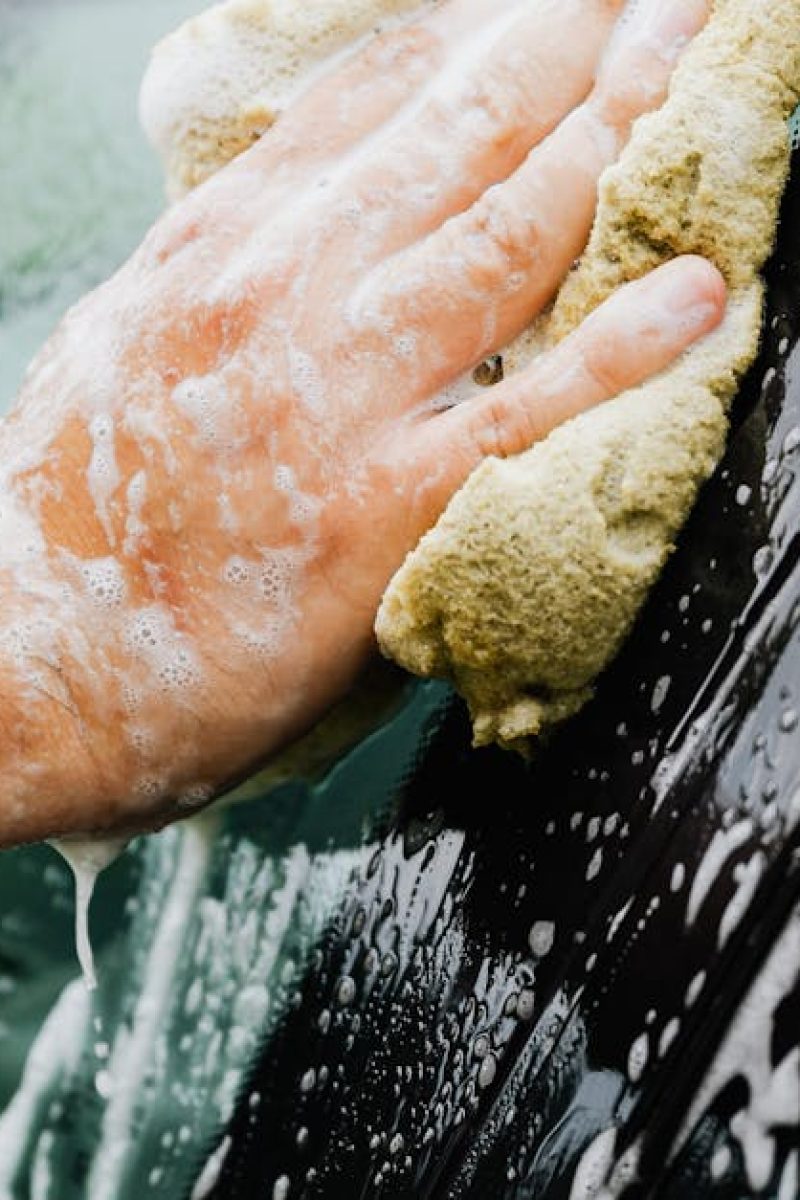
4. Avoid Cleaning Windows with Dirty Towels
Always use a clean, lint-free towel when cleaning your car’s windows and mirrors. Dirty towels can transfer dirt and dust, potentially causing scratches and streaks on the glass.
Tip: Keep multiple microfiber towels on hand, designating one for the windows and mirrors to avoid cross-contamination.
5. Check for Smudges After Cleaning
After cleaning your windows and mirrors, take a step back and inspect the surfaces for any lingering smudges or streaks. If you spot any, simply use a clean towel to buff them away.
Tip: If you’re cleaning your windows in the evening or under artificial lighting, check for streaks and smudges in natural daylight, which will give you a clearer view.
Frequently Asked Questions (FAQ)
How often should I clean my car’s windows and mirrors?
It’s recommended to clean your car’s windows and mirrors every 1-2 weeks or as needed, depending on driving conditions and weather.Can I use household glass cleaner on my car windows?
It’s best to use a specialized automotive glass cleaner, as household cleaners may contain ammonia, which can damage tinted windows or cause streaks.Why are my car’s windows still streaky after cleaning?
Streaks can be caused by using dirty towels, applying too much cleaner, or not buffing the glass properly. Make sure to use a clean, dry microfiber towel and wipe in a side-to-side motion.Can I use a power washer to clean my car windows?
While a power washer can be used for cleaning the exterior, avoid using it directly on the windows and mirrors, as the pressure could cause damage or create water spots.How do I remove stubborn spots from my windows?
For stubborn spots, such as hard water stains or bird droppings, use a specialized water spot remover or gel-based cleaner designed for automotive glass.Can I clean the inside of my windows with the same product as the outside?
Yes, you can use the same glass cleaner for both the inside and outside of your windows. Just be sure to avoid overspraying and damaging the interior surfaces of your car.How do I prevent fogging on my car’s windows?
To prevent fogging, you can use an anti-fog spray or wipe designed for automotive glass. Regular cleaning and using the defogger or air conditioning can also help reduce condensation on the windows.
Conclusion
Cleaning and maintaining leather seats may seem like a delicate task, but with the right techniques and products, it’s easy to keep them looking as good as new. By following the steps outlined in this guide, you can ensure that your leather seats remain soft, supple, and free from stains or cracks.
Remember, the key to long-lasting leather care is regular cleaning and conditioning. By maintaining your leather seats, you can enjoy their beauty and comfort for many years.